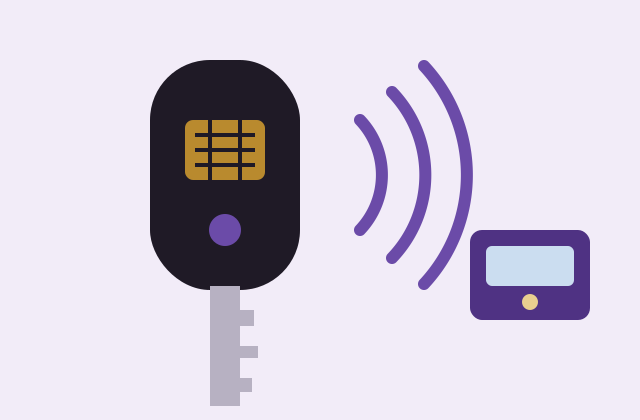
Losing a car key used to mean a quick trip to the hardware store. Today, most keys contain electronics that have to be programmed to the vehicle. Here's what's involved and what your options are.
Types of car key
Basic metal keys
Older vehicles. Cut to match the lock and ignition, with no chip.
Transponder keys
A chip in the head must match the car's immobilizer, so the key is cut and programmed.
Laser-cut keys
A thicker blade with a groove cut along the side. Needs specialist cutting equipment.
Remote and smart keys
Fobs that lock, unlock and sometimes start the car without a blade. Programming is essential.
Locksmith or dealership?
A dealership can supply original keys, but you usually have to get the car to them, which may mean towing if you have no working key, and wait for an appointment. A mobile automotive locksmith comes to the vehicle and, for many makes and models, cuts and programs the key on site. Ask both for a quote; the right choice depends on your vehicle.
What to have ready
- The make, model and year
- The vehicle identification number (VIN), visible through the windshield
- Proof of ownership and ID
- The car's exact location
All keys lost?
It's still usually possible to make a key, though it can take longer. Once a new key is made, ask whether the lost key can be removed from the car's memory so it no longer starts the engine.
Get a spare now
Making a spare while you still have a working key is quicker and cheaper than replacing a lost one. See car key programming or call 818-942-3093. We cover Valley Village and North Hollywood; see all automotive services.
Related articles
Key copying: what can be duplicated and how to get it right
Why some copies don't work, which keys can't be copied at a kiosk, and how to keep track of spares.
Why you should rekey your locks when you move
You never know how many copies of the old keys exist. Here's why rekeying is one of the first jobs after moving in.
“Best locksmith” claims: what really matters
Superlatives are easy to print. Licensing, clear quotes and local accountability are what count.